Cotton Paper & Washi
Understanding the Difference
The paper you choose is just as important as the artwork itself.
Its impact goes far beyond appearance.
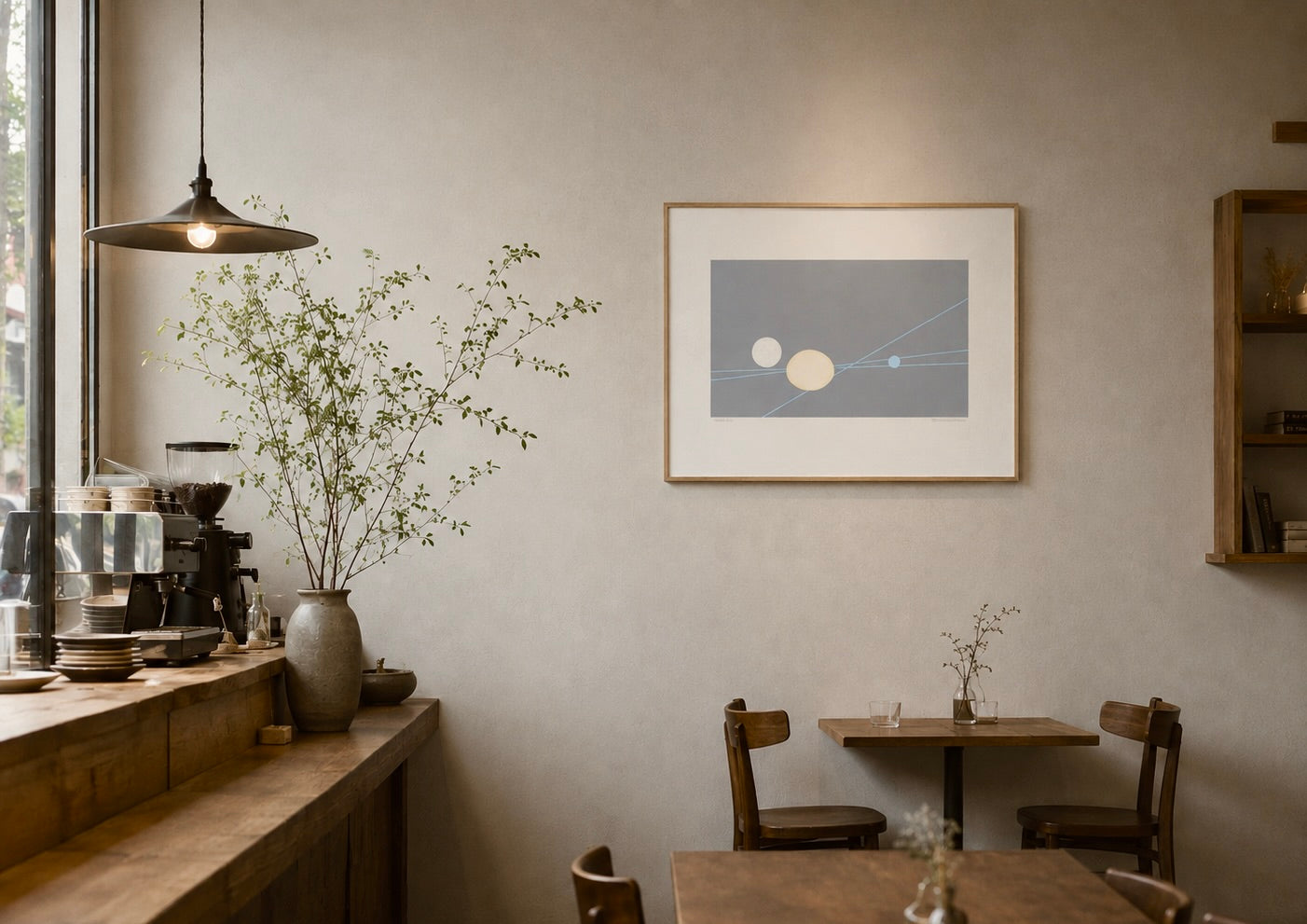
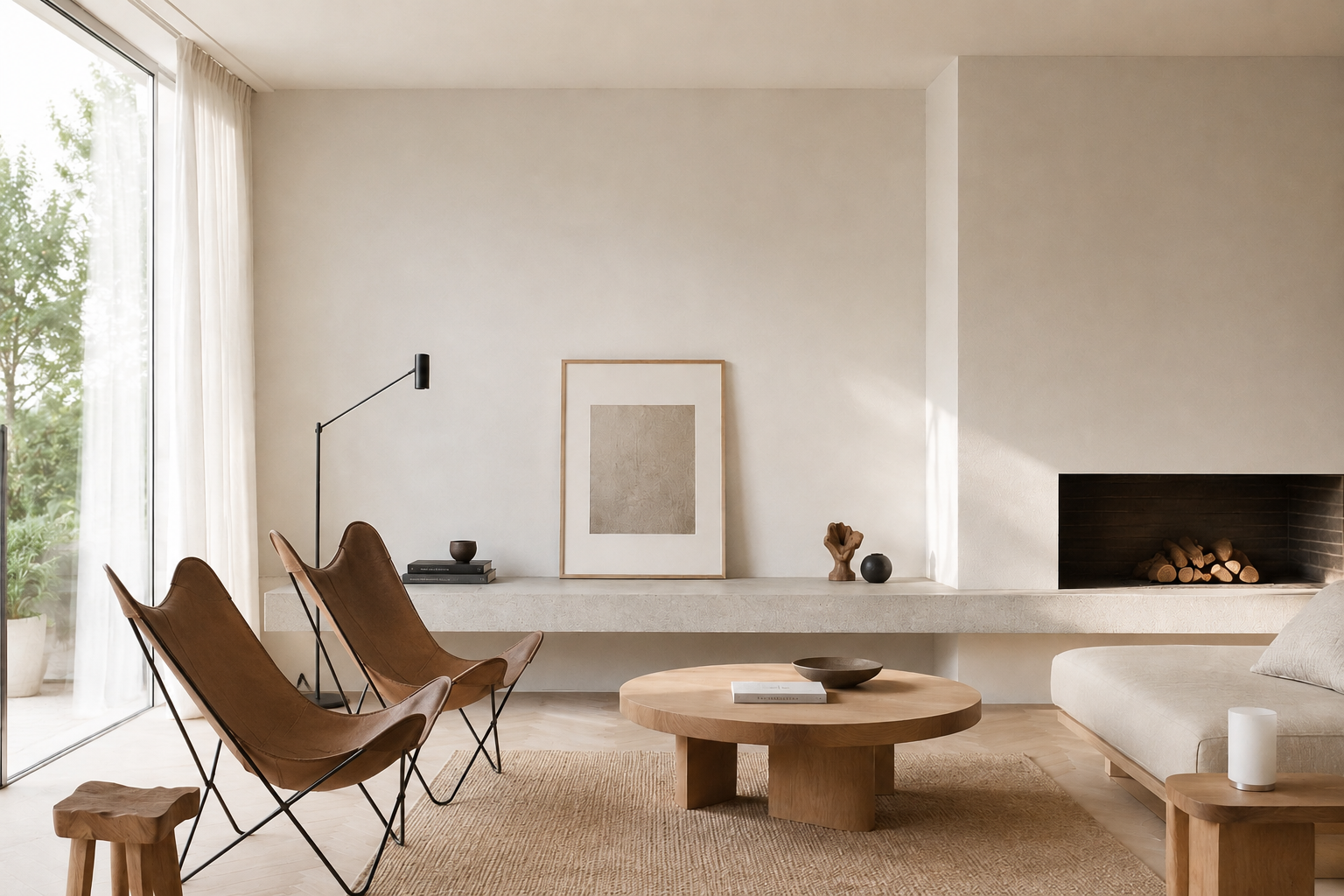
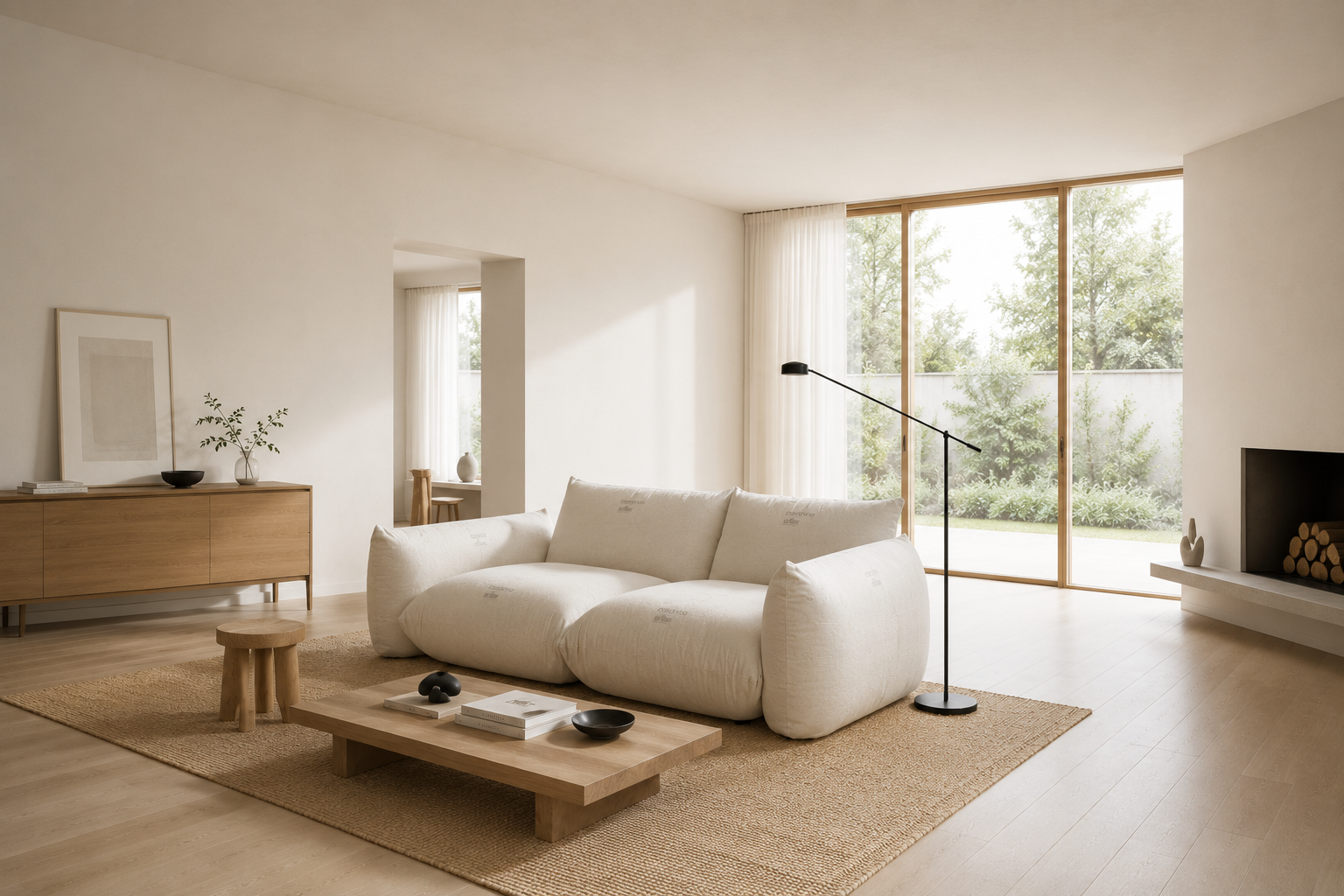
The type of paper influences the way light is reflected, how shadows are formed, and even the atmosphere and character of the artwork within a space.
For many people, the difference between papers may not be immediately obvious. Yet to us, it is one of the most important elements in creating a piece that truly belongs in an interior.
Choosing Cotton Paper

Why We Choose Cotton Paper
The paper we use is produced by Hahnemühle, a renowned German papermaker with a long tradition of fine art paper.
Made from 100% cotton, it is trusted by museums, galleries, photographers, and artists around the world for its exceptional quality and archival permanence.
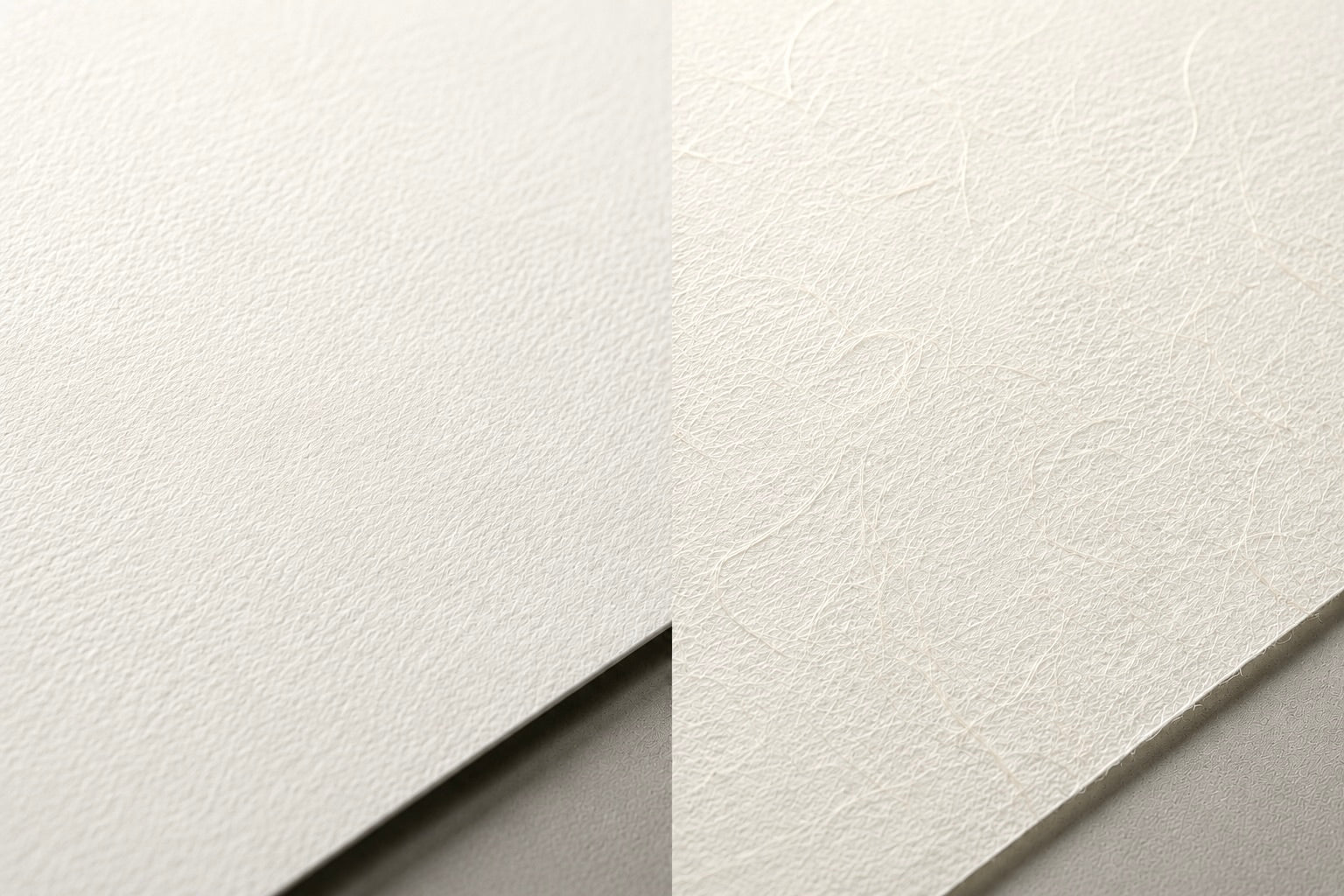
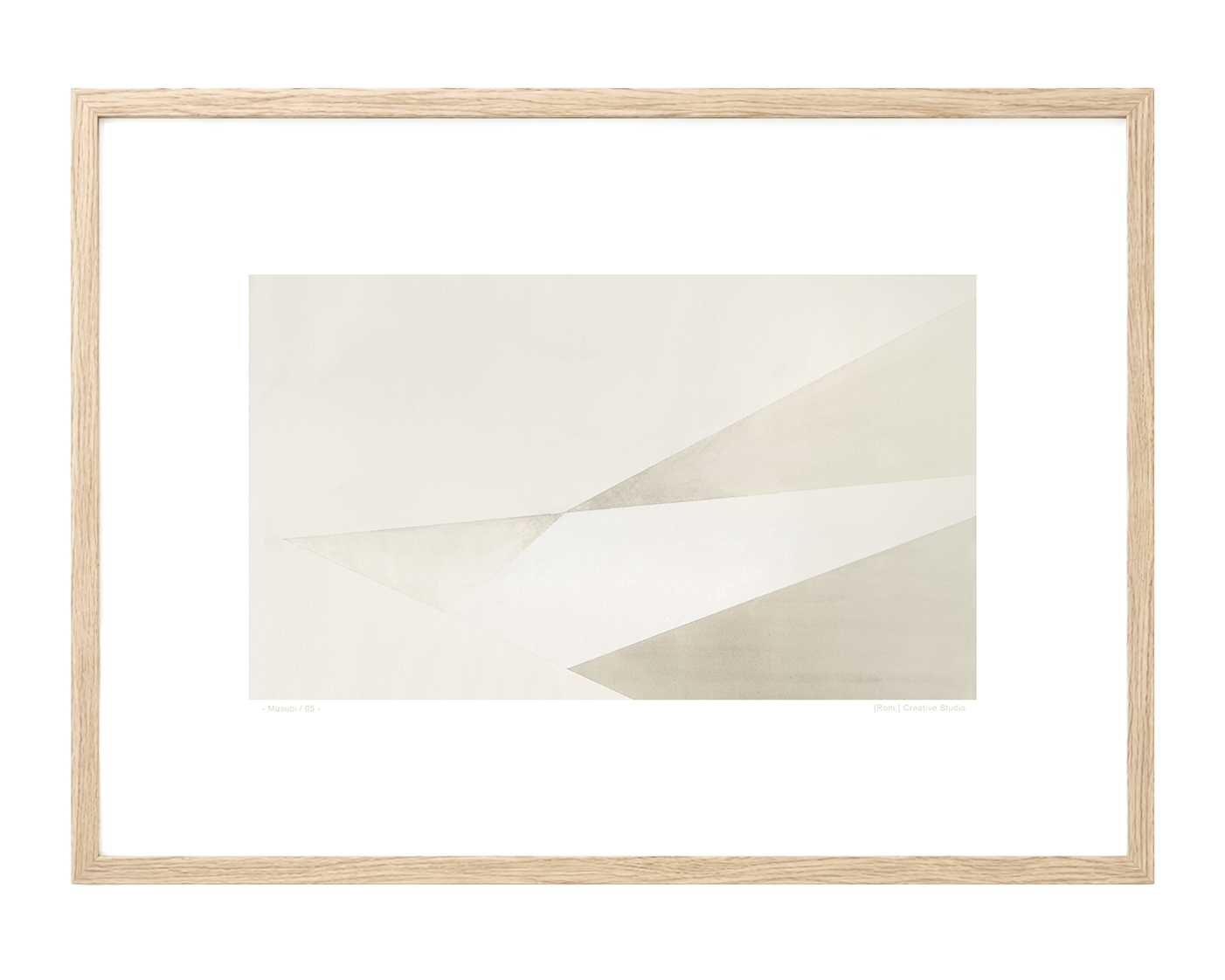
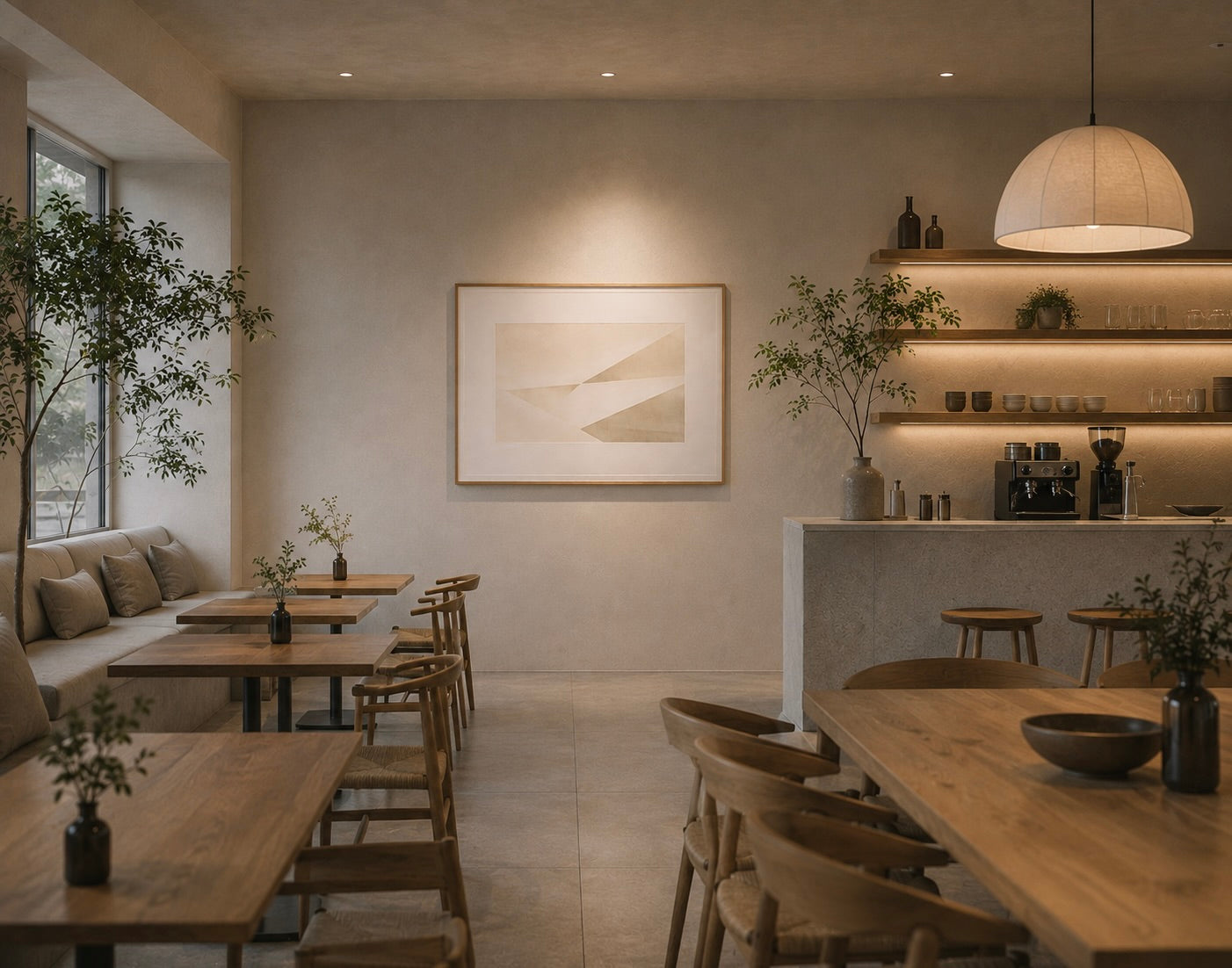
Its beautifully smooth matte surface reproduces subtle tonal gradations with remarkable accuracy while enveloping each artwork in a soft, refined texture.
Free from acid and lignin—the primary causes of paper deterioration—it offers outstanding archival durability. Combined with archival pigment inks, it has become one of the world's most trusted papers for museum-quality fine art printing.
We chose cotton paper for two simple reasons:
to let the artwork speak for itself, and to create prints that will accompany everyday life for years to come.
Its quiet, neutral presence allows the artwork to emerge naturally without the paper ever demanding attention.
Who Cotton Paper Is For
- Those who want to enjoy faithful reproduction of every detail and subtle color.
- Those who appreciate clean, minimalist interiors.
- Those looking to complement modern living spaces.
- Those who want photographs and delicate color gradations to be reproduced beautifully.
Choosing Awa Unryu Washi

Why We Choose Awa Unryu Washi
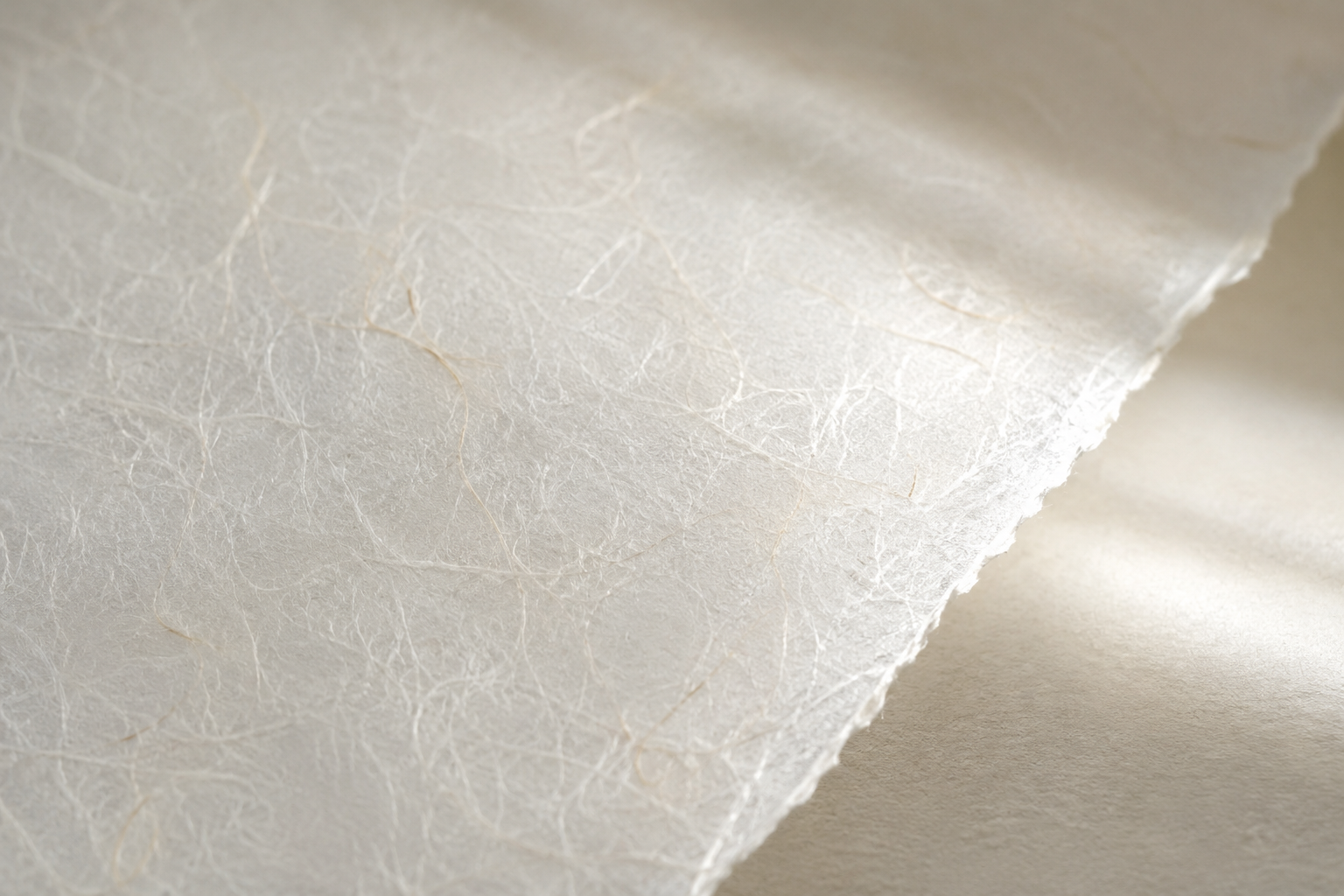
Awa Washi offers an entirely different kind of beauty.
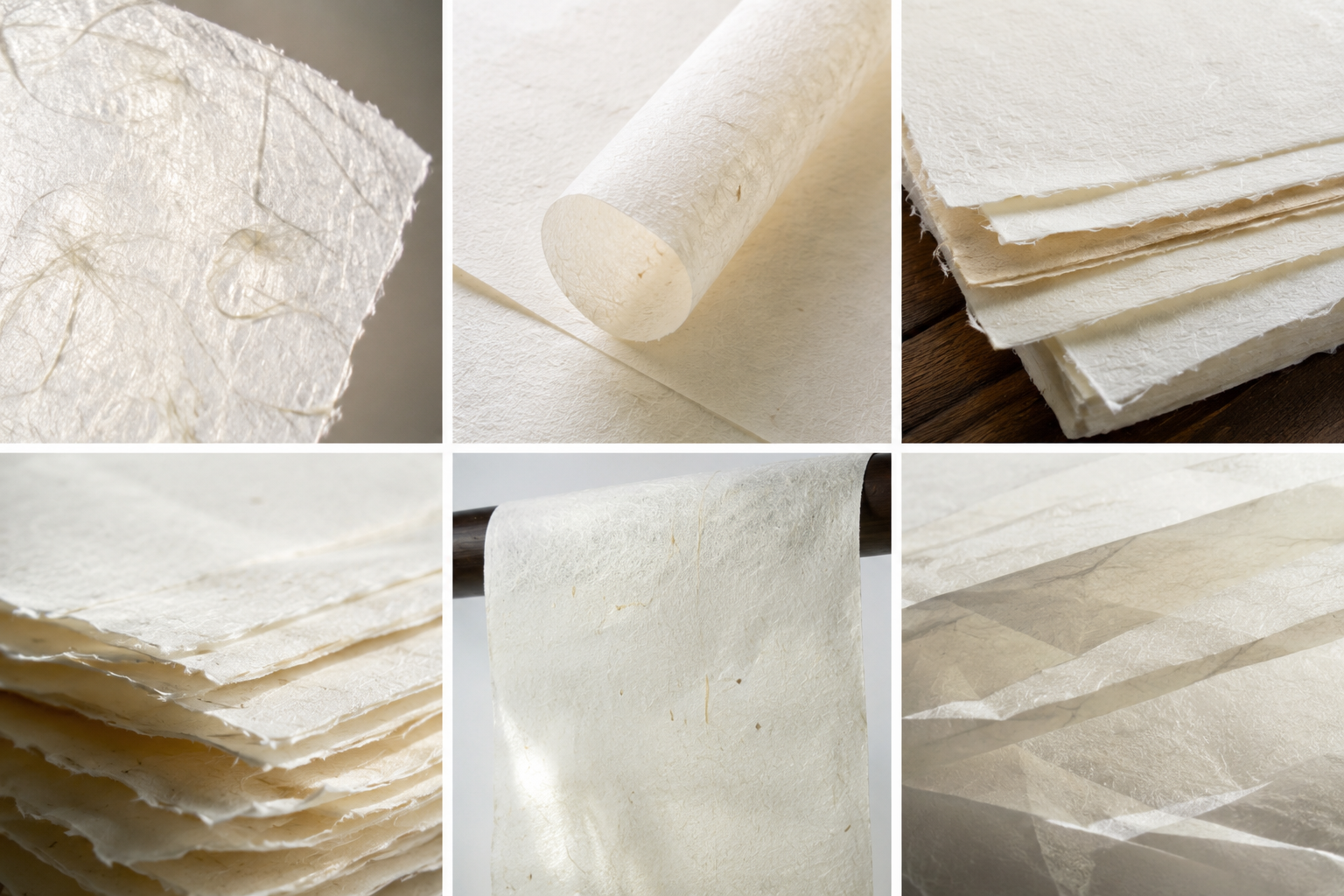
Handcrafted using traditional Japanese papermaking techniques that have been passed down for more than 1,300 years, it is a material that feels closer to nature than to paper itself.
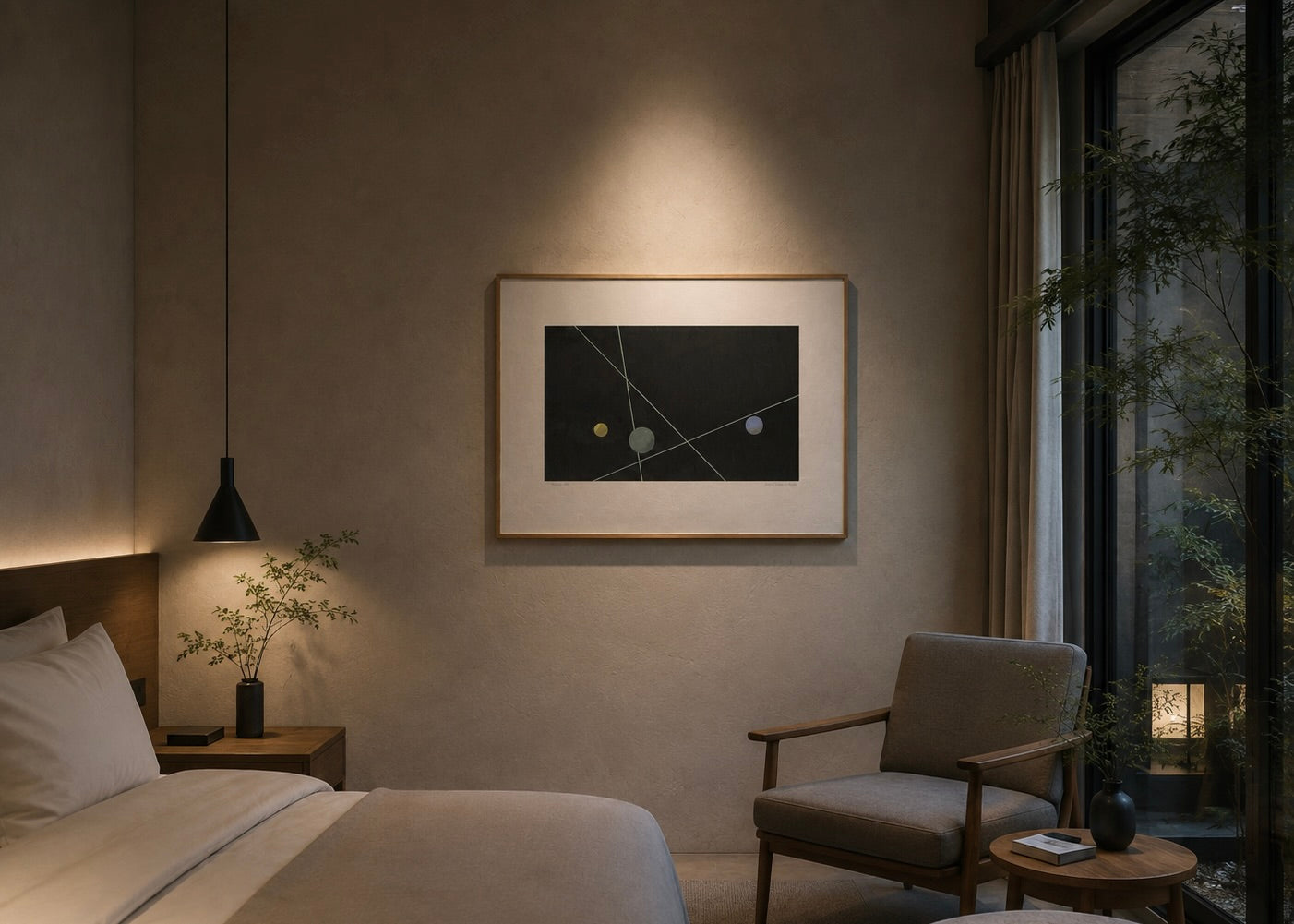
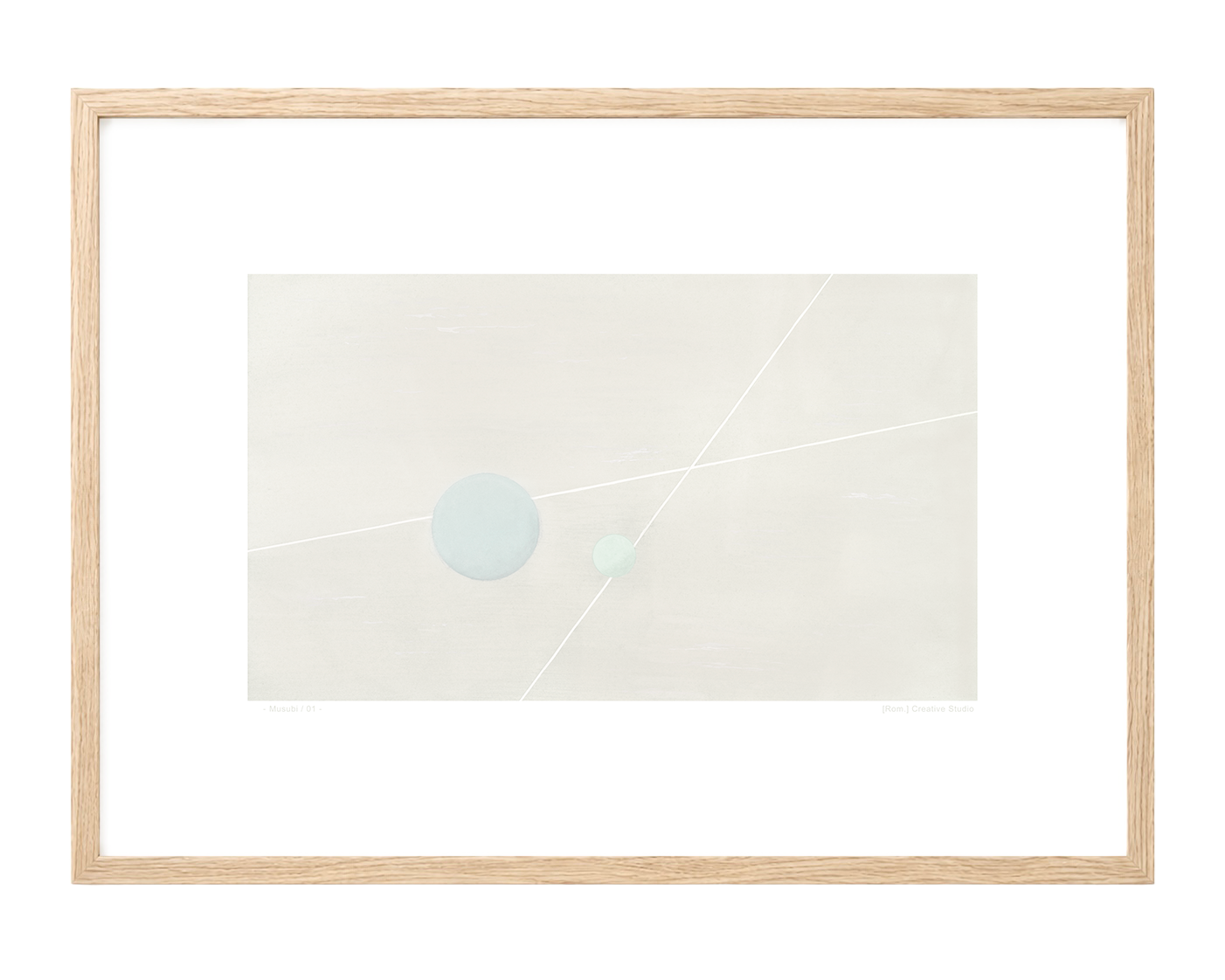
As light passes across its surface, the delicate fibers reveal subtle changes in texture and depth throughout the day.
Soft and gentle in the morning, richer with shadows in the evening, and quietly illuminated under lamplight at night.
Rather than being simply a printed artwork, a piece on washi is completed through its relationship with light.
Who Awa Unryu Washi Is For
- Those who appreciate natural materials.
- Those who want to introduce tactile textures into their interiors.
- Those who seek a warm, inviting atmosphere.
- Those who enjoy the unique character of the paper itself.
Choosing the Right Paper
The choice ultimately depends on the kind of artwork—and the kind of atmosphere—you wish to create.
Cotton paper is designed to let the artwork speak for itself.
Awa Washi, on the other hand, celebrates the beauty of the paper as much as the artwork it carries.
Neither is better than the other; they simply offer different ways of experiencing art within a space.
The Role of Paper in Interior Spaces
We don't see paper simply as a surface for printing.
Just as furniture is shaped by wood and lighting by glass, every art print is defined by the material on which it is created.
The texture of the paper is part of the artwork itself.
That is why, at Musubi, we carefully select the material that allows each piece to be experienced at its very best.
Finding the One That Belongs in Your Home
If you want the artwork itself to take center stage, choose Hahnemühle Cotton Paper.
If you want changing light to become part of the artwork, choose Awa Unryu Washi.
Both are archival-quality materials made to be enjoyed for years to come, yet each creates a remarkably different impression within an interior.
We hope you'll find the one that feels most at home in your own space.



![[Rom.] Creative Studio について](http://rom-creativestudio.com/cdn/shop/articles/Firefly_1.jpg?v=1786019791&width=5760)