Paper in Japan Was Never Just a Medium.
In the West, paper evolved primarily as a medium for books, letters, and written records.
In Japan, however, paper became part of the architecture itself. It shaped light and defined space through shoji screens, fusuma sliding doors, andon lanterns, and chochin paper lanterns, quietly enriching everyday life.
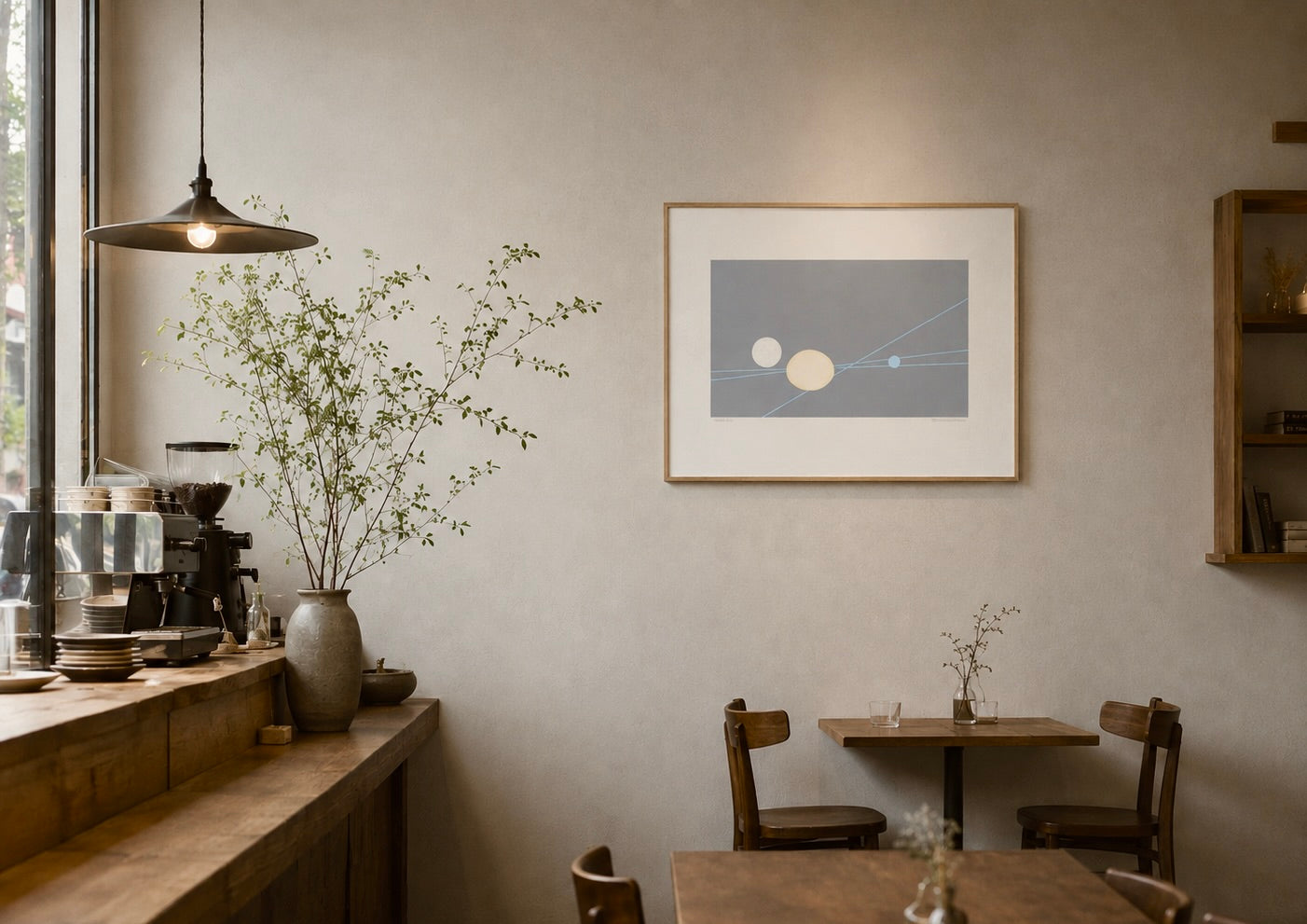
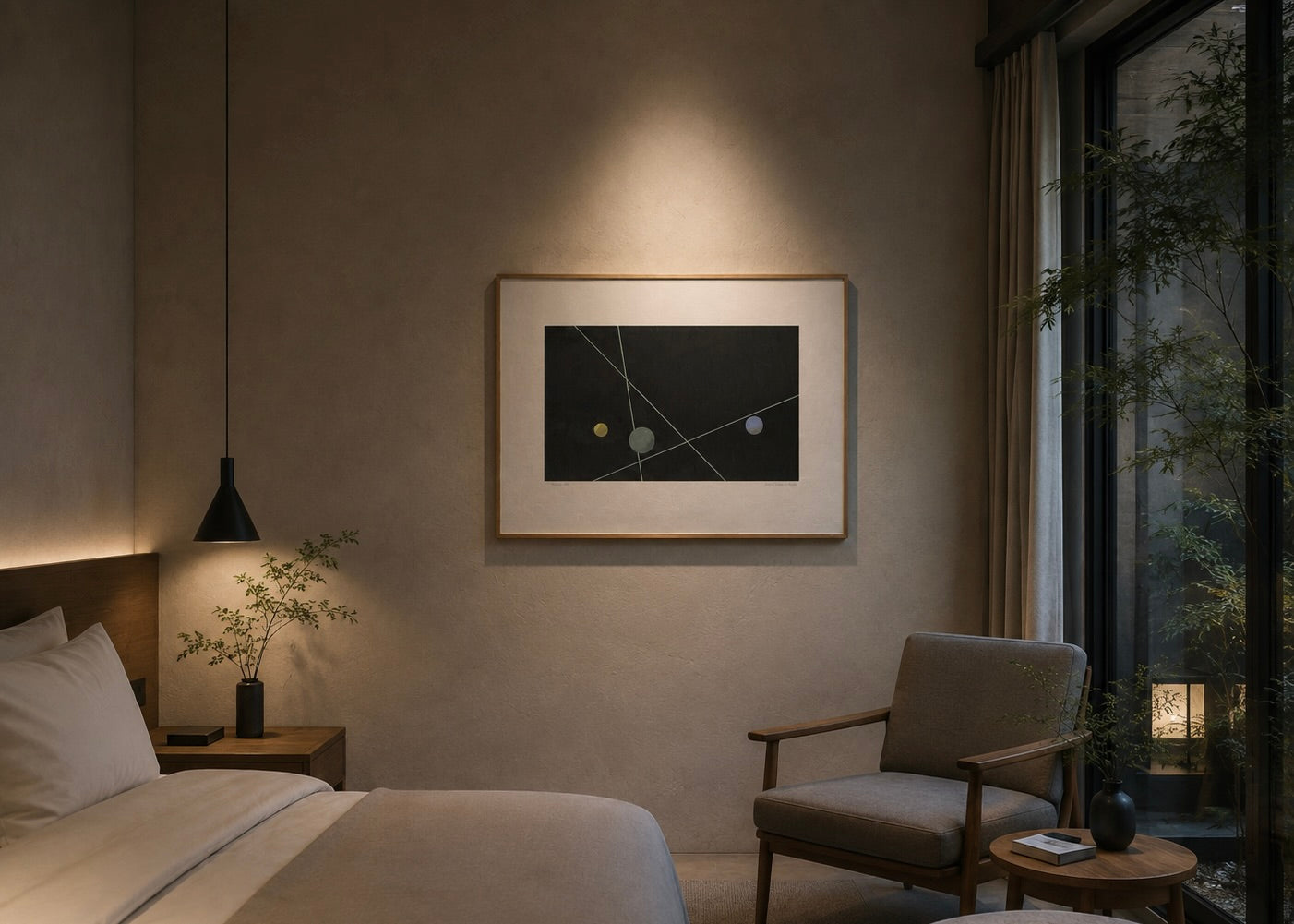
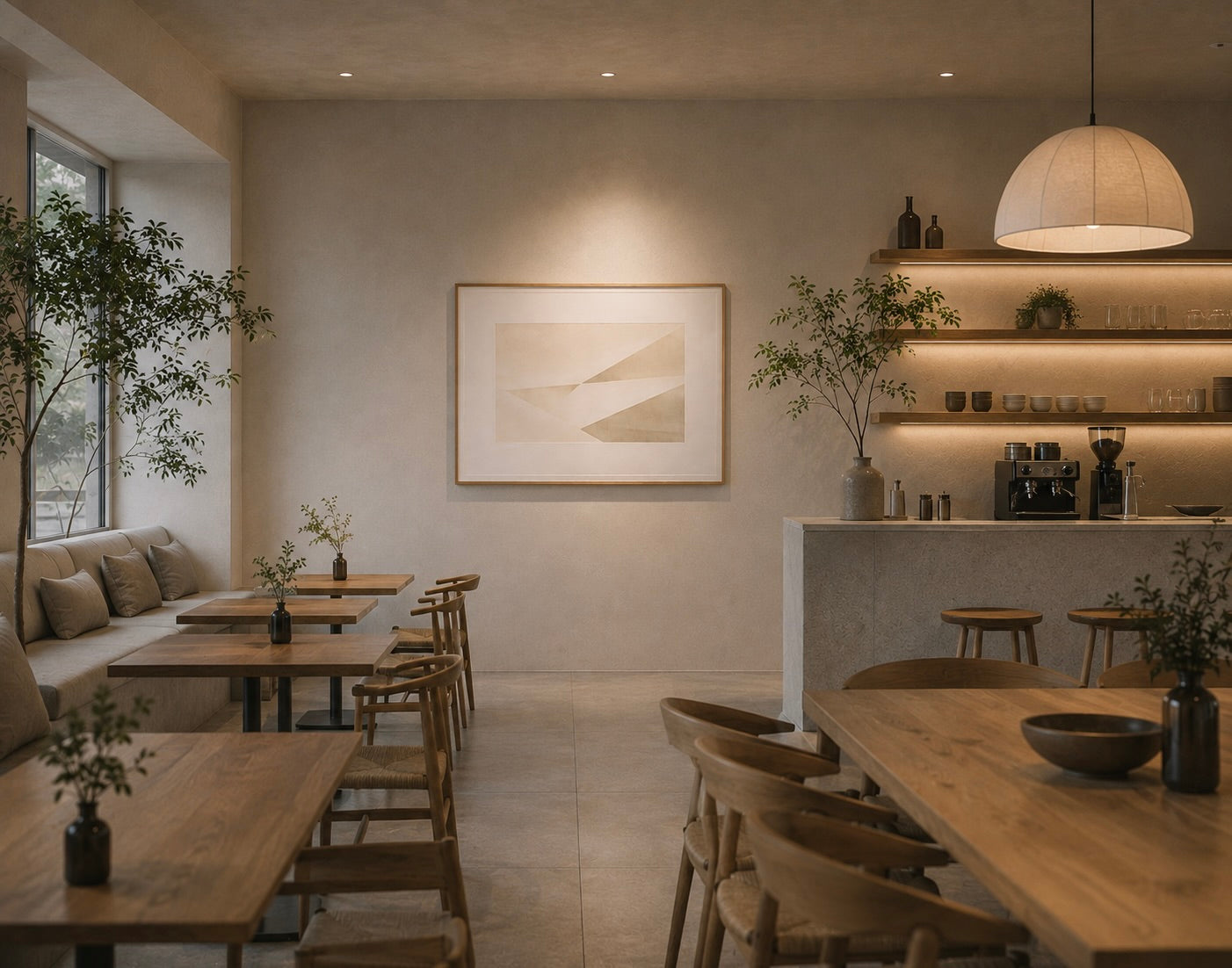
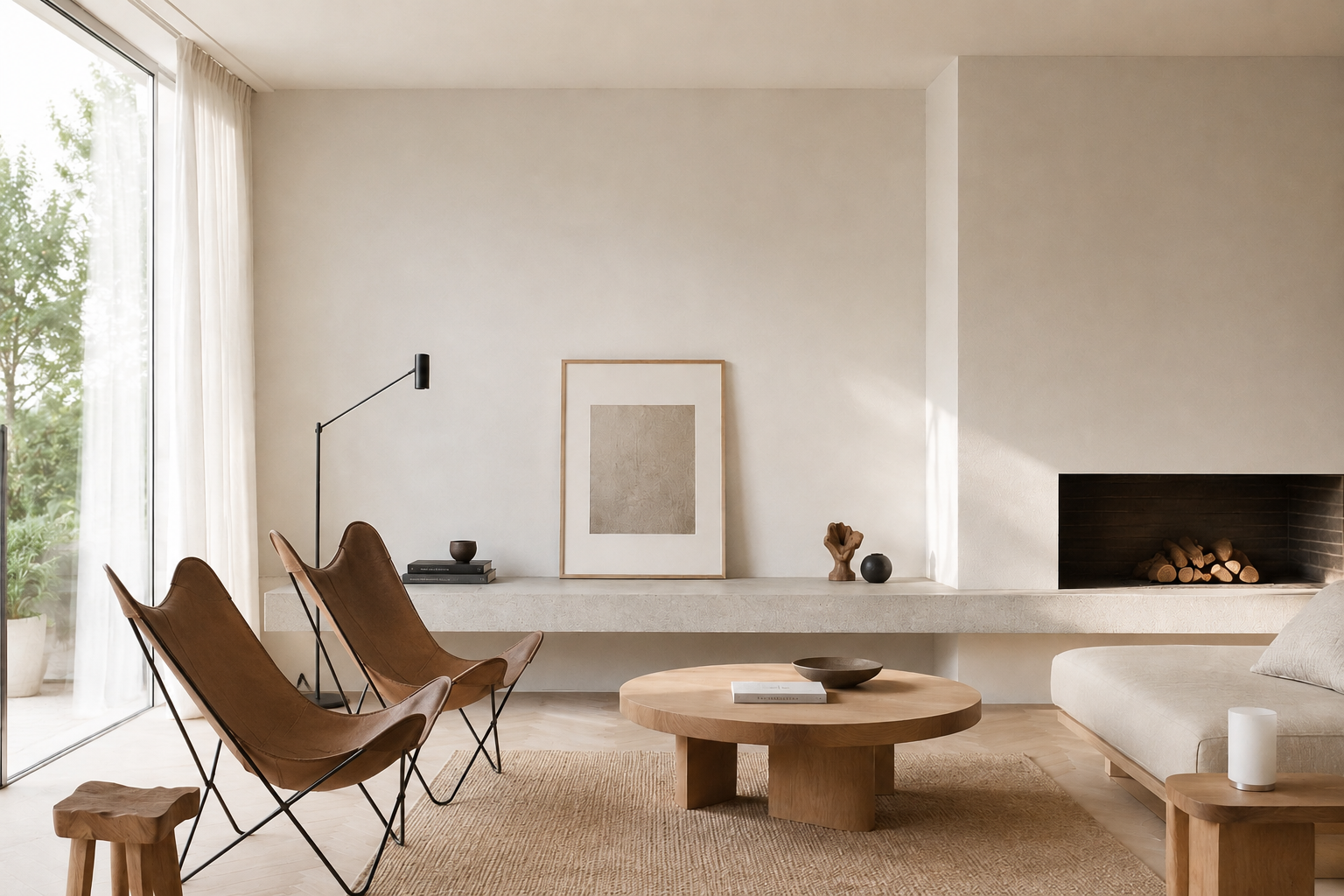
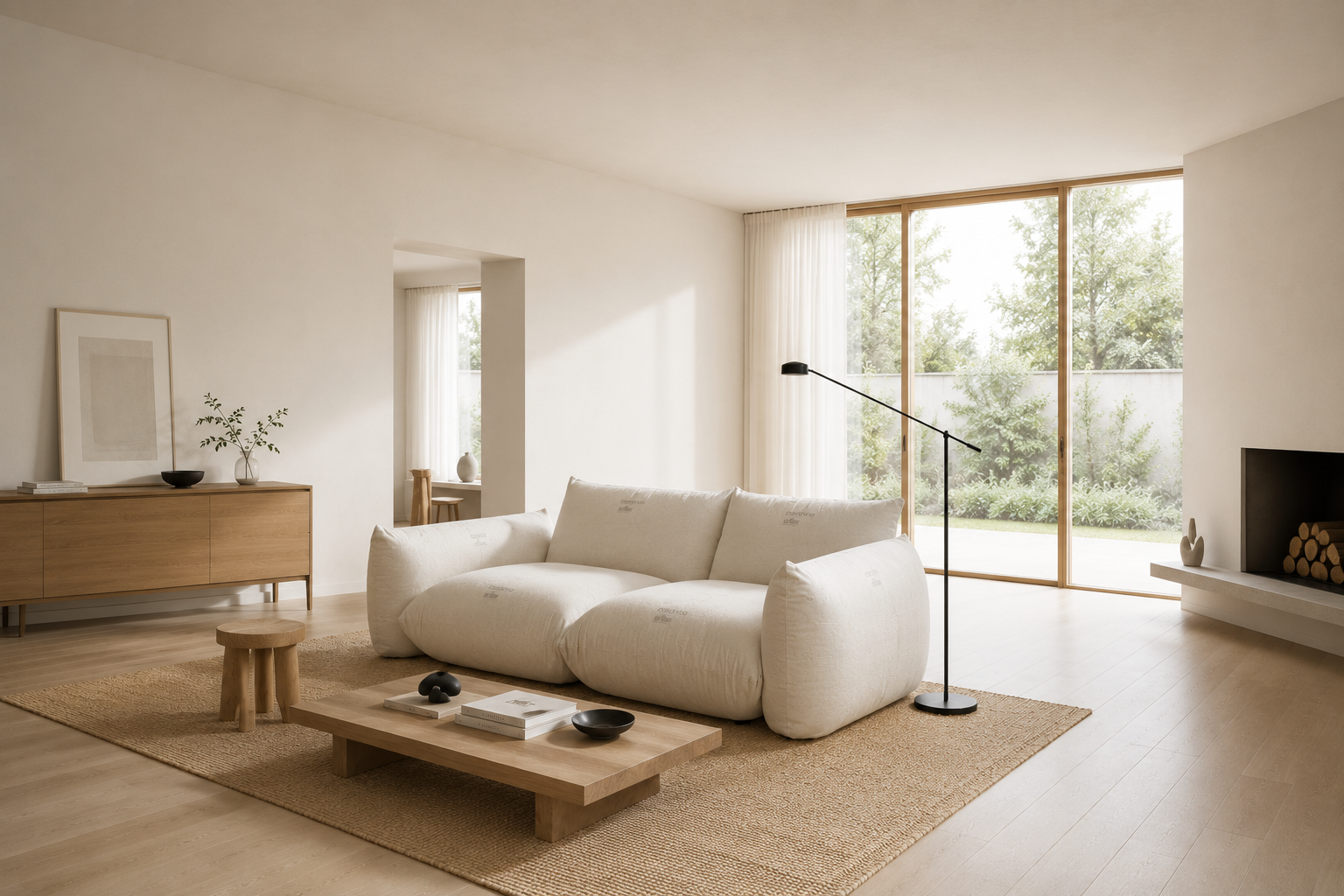
We believe that by using traditional washi, a material that has brought a sense of calm and harmony to Japanese living spaces for centuries, we can reinterpret the relationship between paper and space for contemporary interiors.
Awa Washi — A Tradition Spanning 1,300 Years
With a history of more than 1,300 years, Awa Washi is handcrafted by skilled artisans in Yoshinogawa City, Tokushima Prefecture, surrounded by abundant natural beauty.
Although demand for washi has gradually declined over time, these artisans continue to preserve this remarkable tradition while sharing its beauty and craftsmanship with new generations.

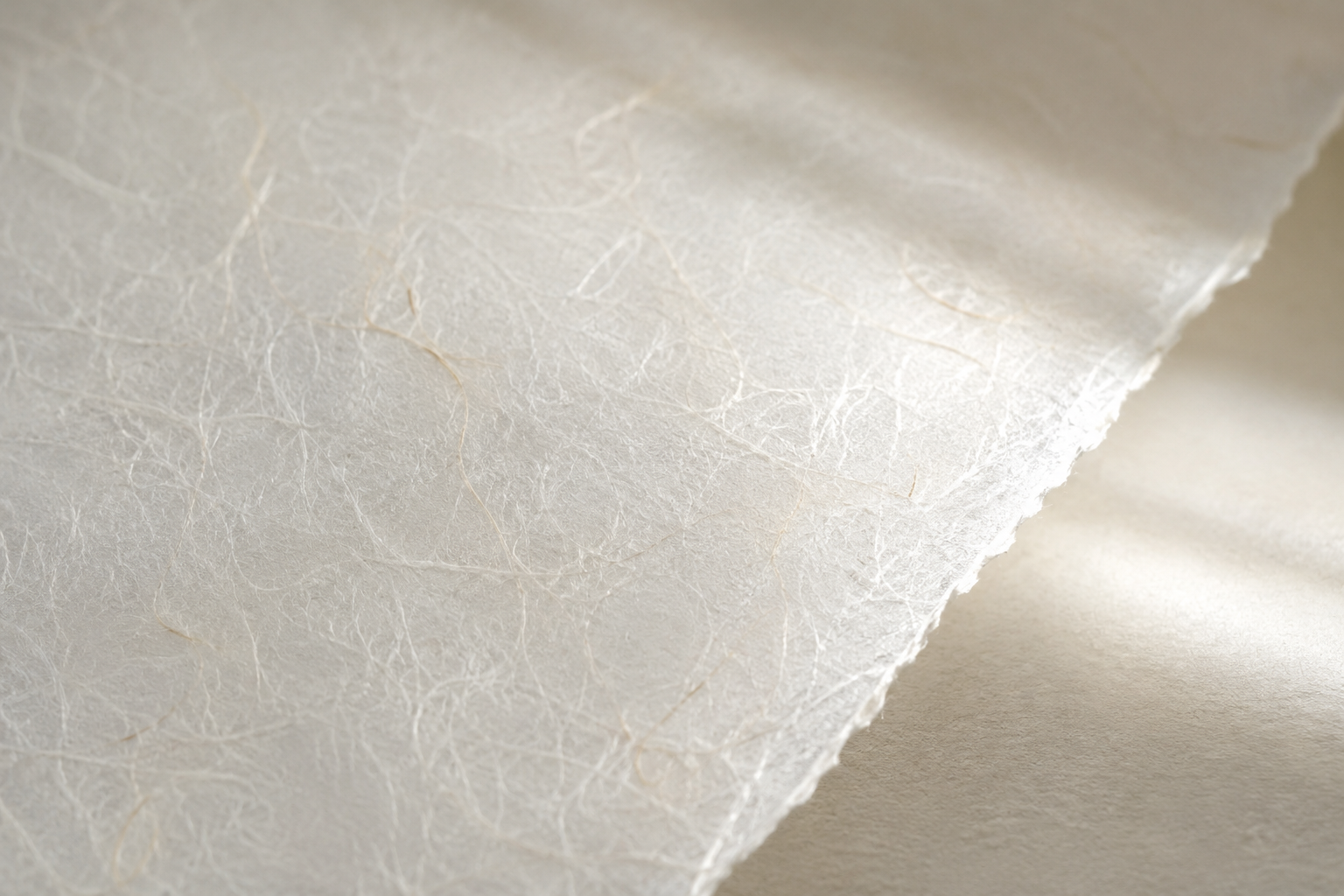
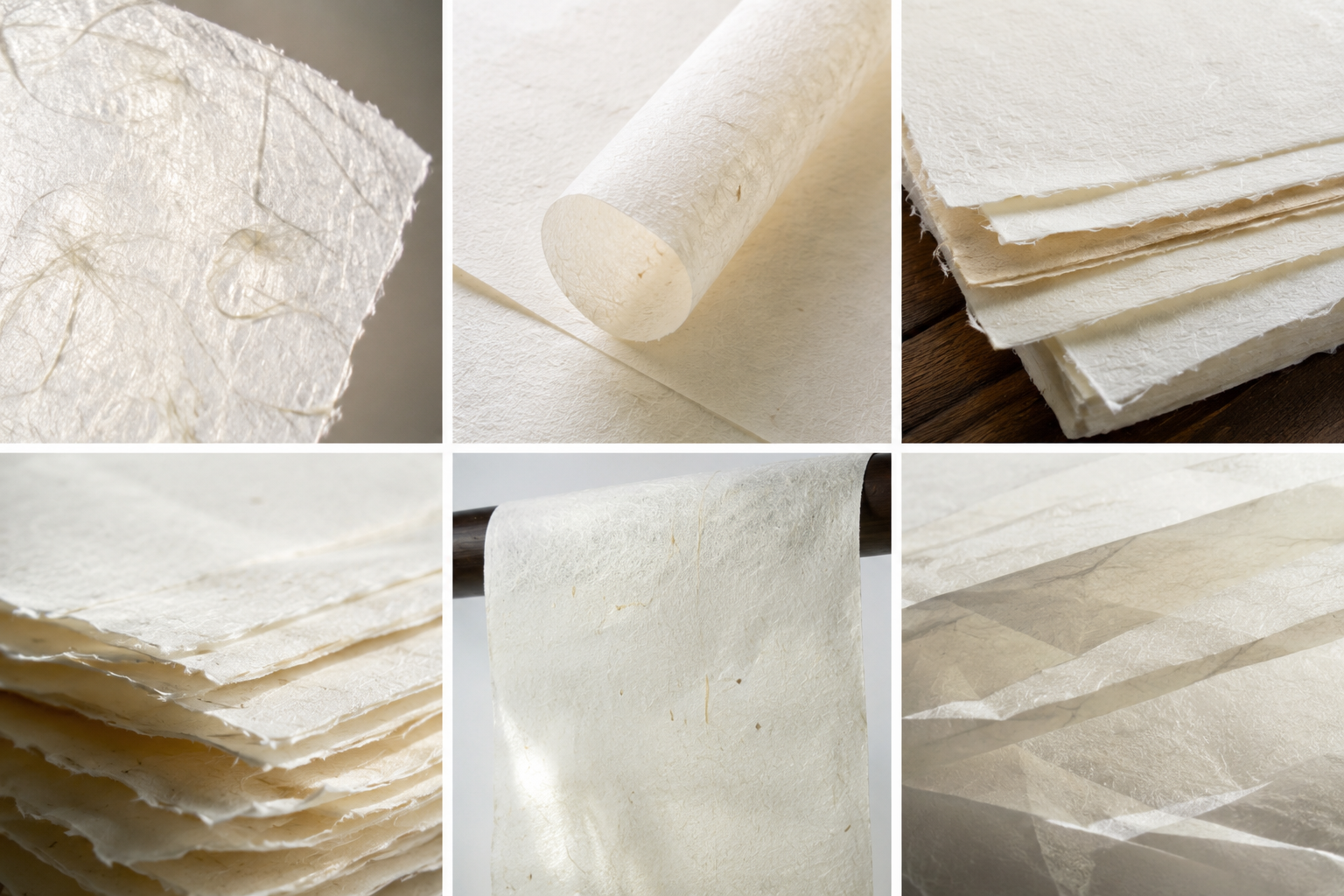
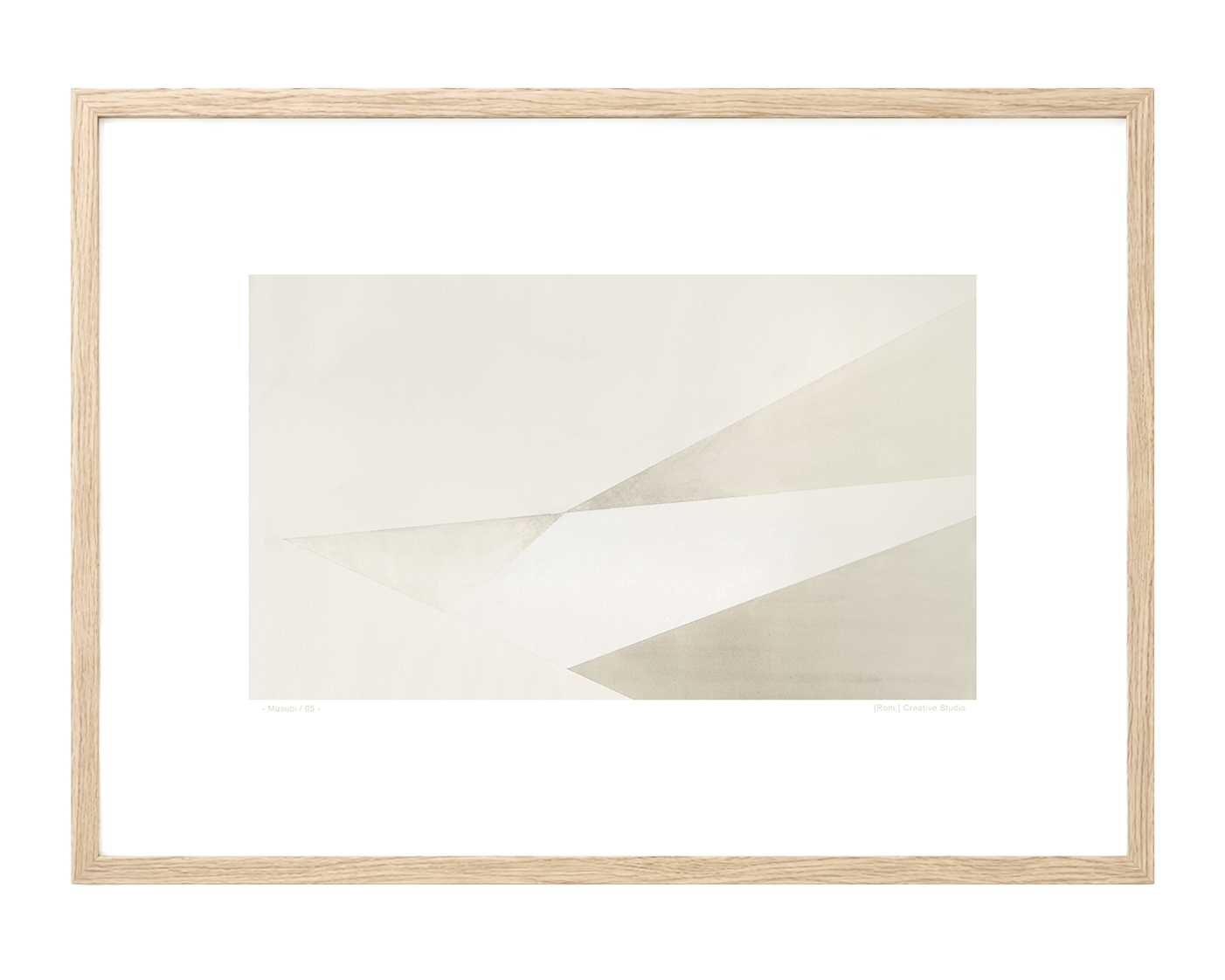
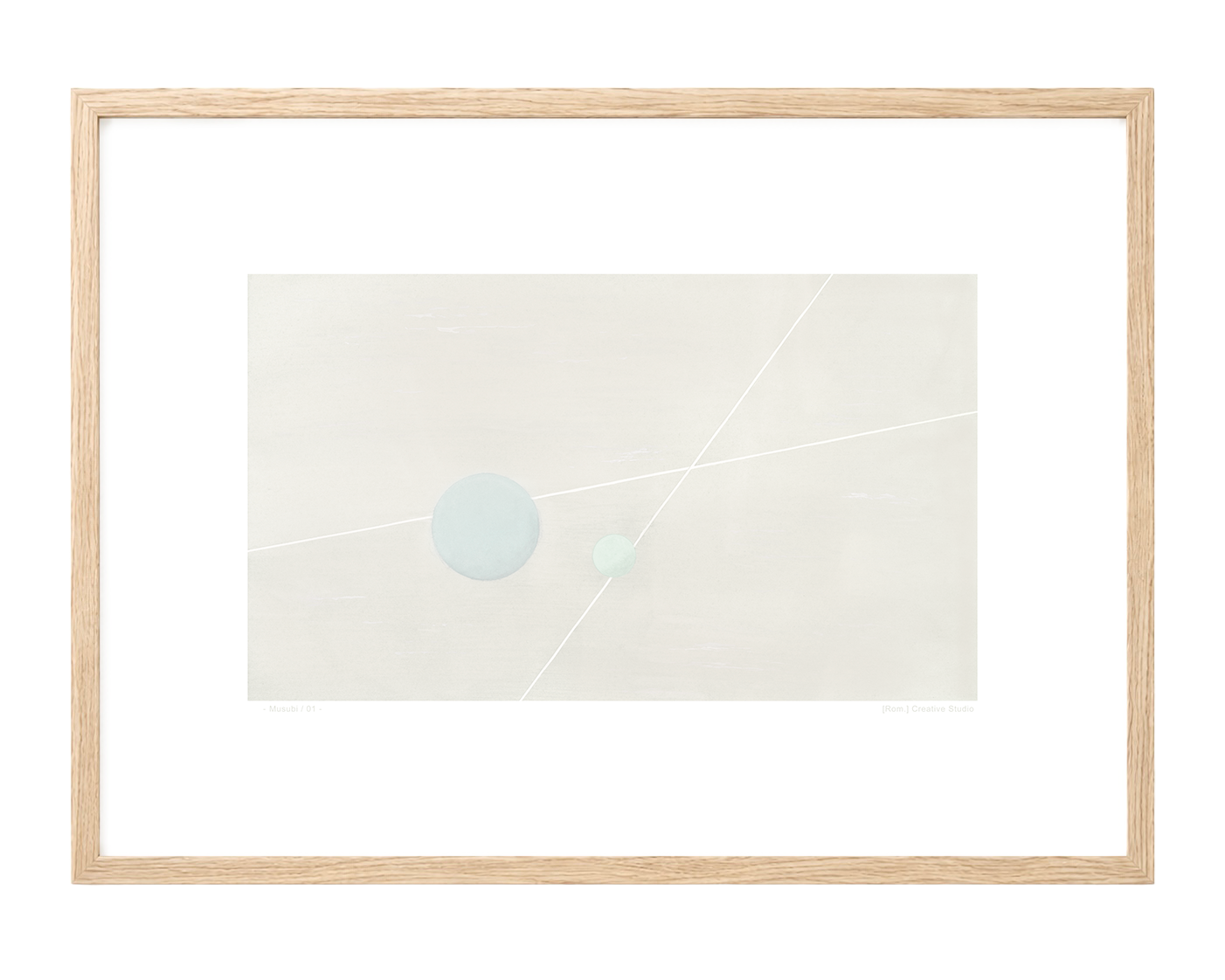
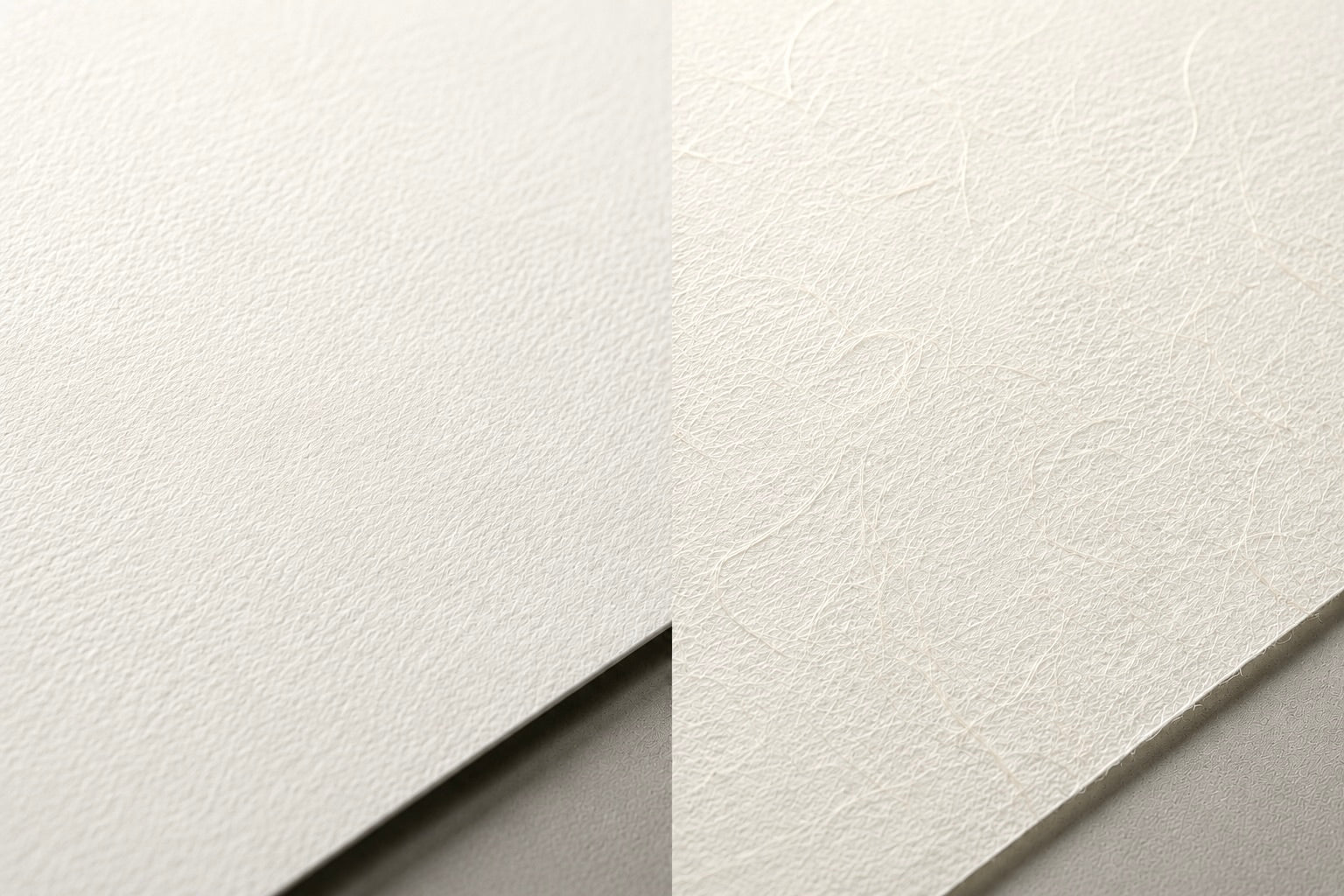
The Unryu Washi used in the Musubi collection is a traditional Japanese paper made by incorporating long fibers of kōzo (paper mulberry) and hemp into the sheet during the papermaking process.
Its distinctive fibers and the unique character of each individual sheet reflect the warmth and craftsmanship of the artisans who make it by hand.

Despite its delicate appearance, Unryu Washi is remarkably durable thanks to the long fibers woven into each sheet.
Its translucent quality allows light to gently pass through the paper, revealing different textures and expressions as the light changes throughout the day.
We invite you to experience the warmth of traditional craftsmanship and the unique beauty that only washi can offer, and discover how it brings a quiet sense of harmony to your everyday living space.



![[Rom.] Creative Studio について](http://rom-creativestudio.com/cdn/shop/articles/Firefly_1.jpg?v=1786019791&width=5760)